Planning a Confident Path Through Today’s Dealer Network
As an owner planning a purchase, begin by mapping your needs against the broader dealership landscape. Identify the body styles, trims, and drivetrains that align with daily routes, weekend trips, and cargo demands. Assess must-have safety tech and convenience features, then stage a shortlist of models that satisfy those criteria. Doing this groundwork lets you enter any showroom with clarity, saving time and reducing second-guessing later.
Next, verify inventory realities versus your plan. Large regional stores near midsize cities often buffer demand with extensive selections across new and pre-owned vehicles, while rural outlets may focus on core trims that move quickly. Validate availability by checking multiple locations the same day, because transfers and test-drive schedules shift. In practice, you want at least two comparable options to avoid settling when the first vehicle doesn’t match expectations.
Meanwhile, scope the test-drive workflow with precision. Sequence your visits so similar models are driven back-to-back, keeping impressions fresh. Calibrate routes to include a mix of highway, stop-and-go, and rougher pavement to expose noise, ride, and steering differences. Then document tactile notes: pedal feel, seat support, visibility, and infotainment responsiveness. Capturing these details prevents recency bias from overshadowing earlier, potentially better fits.
Beyond that, align financing stages with your evaluation window. Pre-qualification can refine budget boundaries without locking you in. Inspect rate structures, term lengths, and any optional protections, comparing total cost of ownership instead of monthly payment alone. Often, timing a purchase near month transitions can affect choice sets, but avoid rushing; a clear cost model beats a hurried decision that strains maintenance or insurance plans later.
However, trade-in strategy deserves its own track. Appraise your vehicle through multiple channels to validate market value and avoid leaving money on the table. Maintain service records and present them cleanly; well-documented care can justify stronger offers. Then verify deductions related to reconditioning so you understand every adjustment. A tidy, honest presentation typically streamlines the process and reduces back-and-forth at the desk.
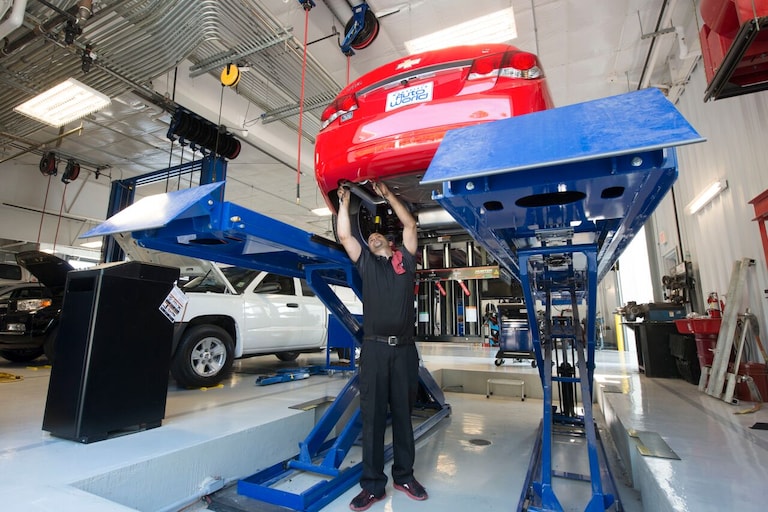
Similarly, product support should factor into dealer fit. A chevrolet dealership may vary in service bay capacity, loaner availability, and parts turnaround. Ask about technician certifications, maintenance scheduling lead times, and Saturday hours. Inspect waiting areas and review shop transparency practices, such as digital inspections. Reliable after-sale support cushions ownership surprises and keeps warranty or recall items moving without extended downtime.
Additionally, evaluate pre-owned pathways with the same rigor. A used car dealership might emphasize variety and price flexibility, while a franchised lot can offer certified inspections and warranty options. Validate reconditioning standards, tire depth, brake life, and battery health. Document any aftermarket add-ons that may affect long-term support. Finally, compare vehicle history details to physical condition so the story matches the sheet you’re reading.
Then, look closely at regional logistics. Stores just outside larger markets often balance suburban traffic with easier access and parking, which can shorten test-drive setup and paperwork windows. Buffer your travel time and call ahead to confirm vehicles remain on-site. In practice, having a backup color, trim, or drivetrain keeps momentum if your first choice sells before arrival.
Also, consider communication style as a decision lens. Some buyers prefer text updates and fast, itemized numbers; others want in-person walkarounds with printed quotes. Refine your expectations early so the team can match your pace. Validate any accessories, protection packages, or service plans in writing, with line-by-line clarity. This documentation-first approach reduces friction when finalizing signatures and avoids rework at delivery.
Finally, revisit the shortlist after sleep and daylight review. Inspect paint, panel gaps, and interior materials again with fresh eyes. Test phone pairing and driver-assist features before committing. Whether you’re engaging a car dealership or a chevy dealership, the aim is confidence grounded in method. When you maintain process discipline from research to handoff, the vehicle you choose will fit your routes, budget, and service expectations for the long haul.